
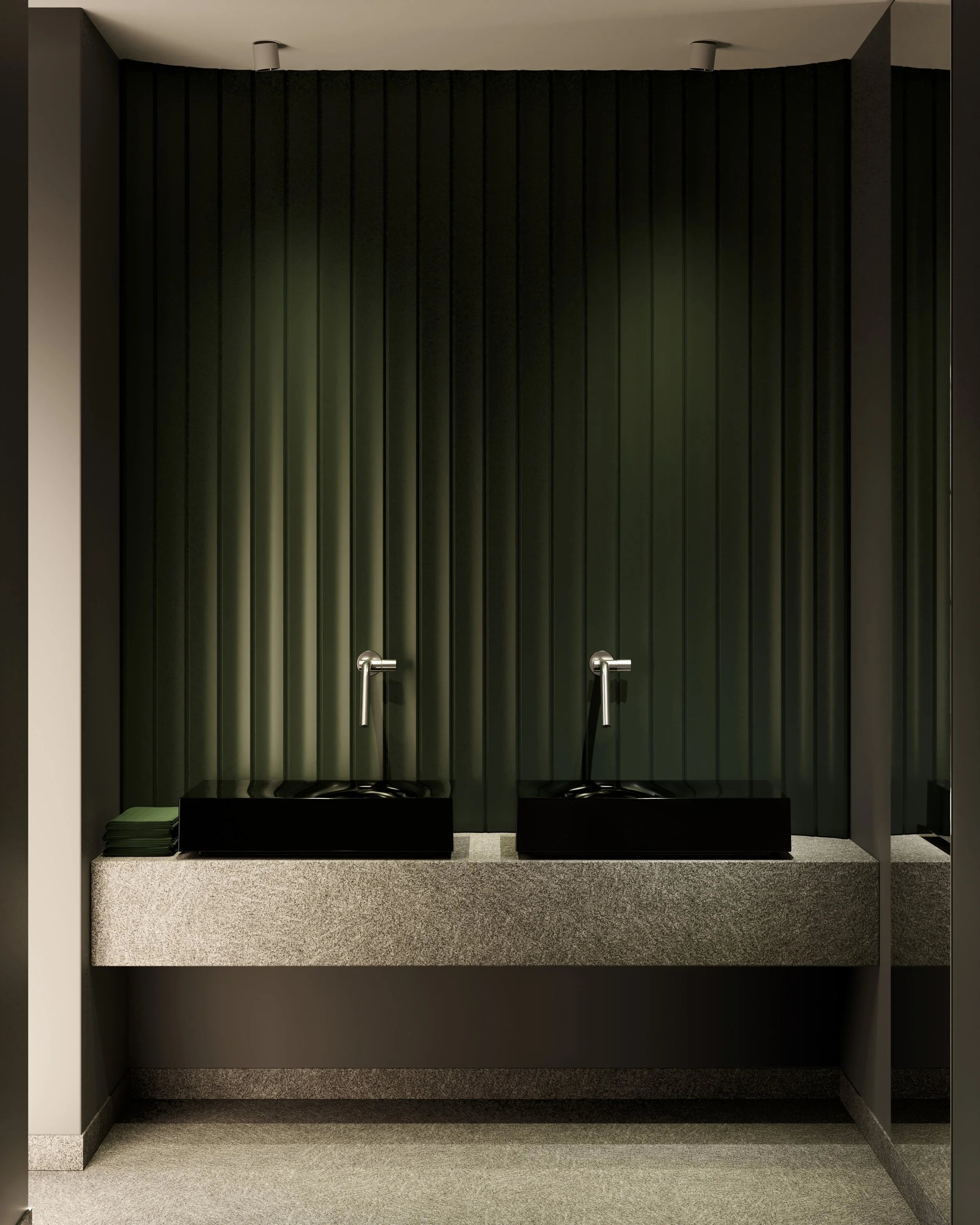
Inside the studio challenging one of architecture's most overlooked spaces.
The bathroom has long been treated as one of the most functional spaces in architecture. But what happens when you begin to see it differently?
Trone is the French design studio redefining one of the most overlooked spaces in architecture. By combining craftsmanship, personality and technical innovation, they create bathroom products that challenge convention and elevate everyday rituals.
We spoke with founder Hugo about designing for emotion, questioning assumptions, and why the most overlooked spaces often present the greatest opportunities for innovation.

Why do you think people are investing more in bathroom design than ever before?
Hugo:
The bathroom has evolved from a purely functional space into a place of well-being and personal rituals. People are paying more attention to the quality of everyday experiences at home. At the same time, design expectations have risen across every room of the house. The bathroom is one of the last spaces to undergo this transformation, which creates exciting opportunities. In hospitality, it’s also a place that leaves a surprisingly lasting impression.
The bathroom is perhaps the most overlooked room in the home. What made you see it as an opportunity for design innovation?
Hugo:
Precisely because it was overlooked. We were surprised by how little creativity had been applied to products people use every day. Most of the category was driven by technical constraints rather than design ambition. We saw an opportunity to bring emotion, craftsmanship and personality into a space that deserved much more attention.
What opportunities emerge when you stop seeing a space as purely functional?
Hugo:
You start designing for emotion, not just utility. Function remains essential, but it is no longer the only objective. You can create surprise, comfort and memorable experiences. That’s often where the strongest connection between people and spaces comes from.

Trone’s products have a distinct personality. Where is the line between playful and impractical?
Hugo:
Playfulness should never come at the expense of performance. A product can be expressive and unexpected while remaining highly functional. The line is crossed when design creates friction instead of delight. For us, personality and usability should always reinforce each other.
When you begin designing a product, do you start with function, emotion, or something else entirely?
Hugo:
We start with a question. Why does this object exist in its current form, and could it be experienced differently? Function and emotion emerge together from that reflection. The most interesting products are the ones that solve a problem while creating an emotional response.
Do you think good design can change the way we feel about everyday routines or experiences, particularly in hospitality spaces?
Hugo:
Absolutely. Most of life is made of routines, and design has the power to elevate them. A thoughtful object can transform an ordinary interaction into a memorable moment. In hospitality especially, these details communicate care and attention. They often become part of what guests remember most.

What principles have guided the studio as it’s grown?
Hugo:
One principle has remained unchanged: preserving the sense of naïveté we had at the beginning. We never want to become so familiar with our category that we stop questioning it. Every product starts with an idealistic ambition — imagining what the best possible experience could be before thinking about constraints. Growth brings expertise, but we try hard not to let expertise kill curiosity. That’s often where the most interesting ideas come from.
What qualities do you look for when bringing new people into the studio?
Hugo:
Curiosity comes first. We look for people who question assumptions and enjoy exploring unexpected ideas. Technical skills matter, but openness, rigor and a collaborative mindset are equally important. Great design is always a collective effort.
If a young designer visited your studio for a day, what would they learn about design that isn’t taught at university?
Hugo:
They would probably learn that design doesn’t happen in isolation. Our design studio sits at the heart of the company, surrounded by sales teams, mechanical engineers, customers and our showroom. Great products emerge from constant dialogue between disciplines, not from a designer working alone. Design is not just about form; it’s about translating technical, commercial and human realities into a coherent vision.
About Hugo
Hugo is the founder of Trone, the French design studio reimagining the bathroom through a balance of craftsmanship, technical innovation and bold design. By questioning convention and designing for emotion as well as function, Trone has become known for creating products that transform everyday rituals into memorable experiences.
Learn more about Trone: trone.paris
Follow Trone on Instagram: @trone.paris


