
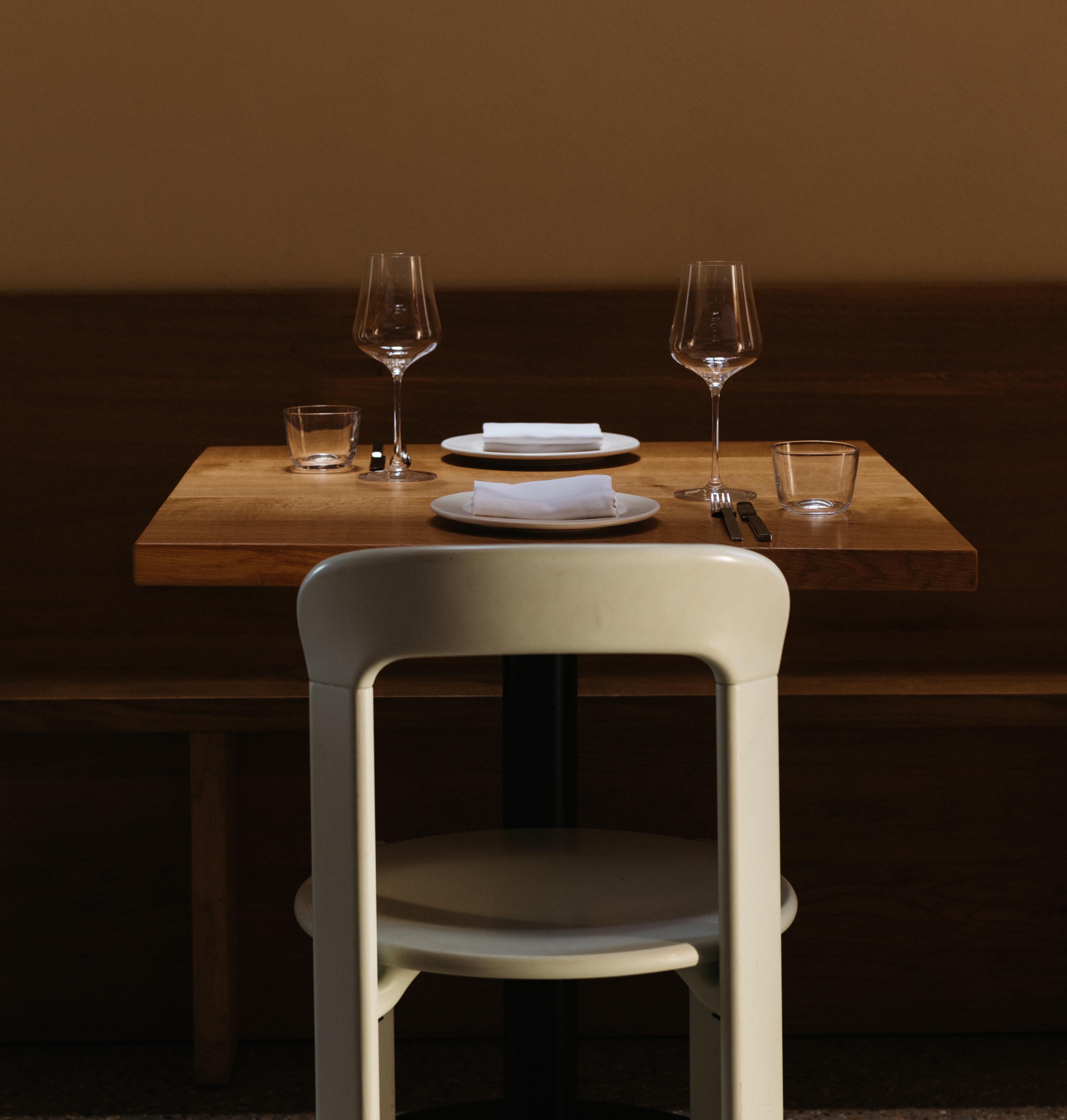
Hospitality spaces are changing.
Where once design competed for attention, many new openings are showing a shift toward spaces that feel more intimate and residential, using soft lighting, warmer materials, and comfortable furnishings. This trend reflects how people want to feel in a space - relaxed and familiar. Restaurants that feels like a place to settle into are proving preferable over interiors designed purely for visuals.
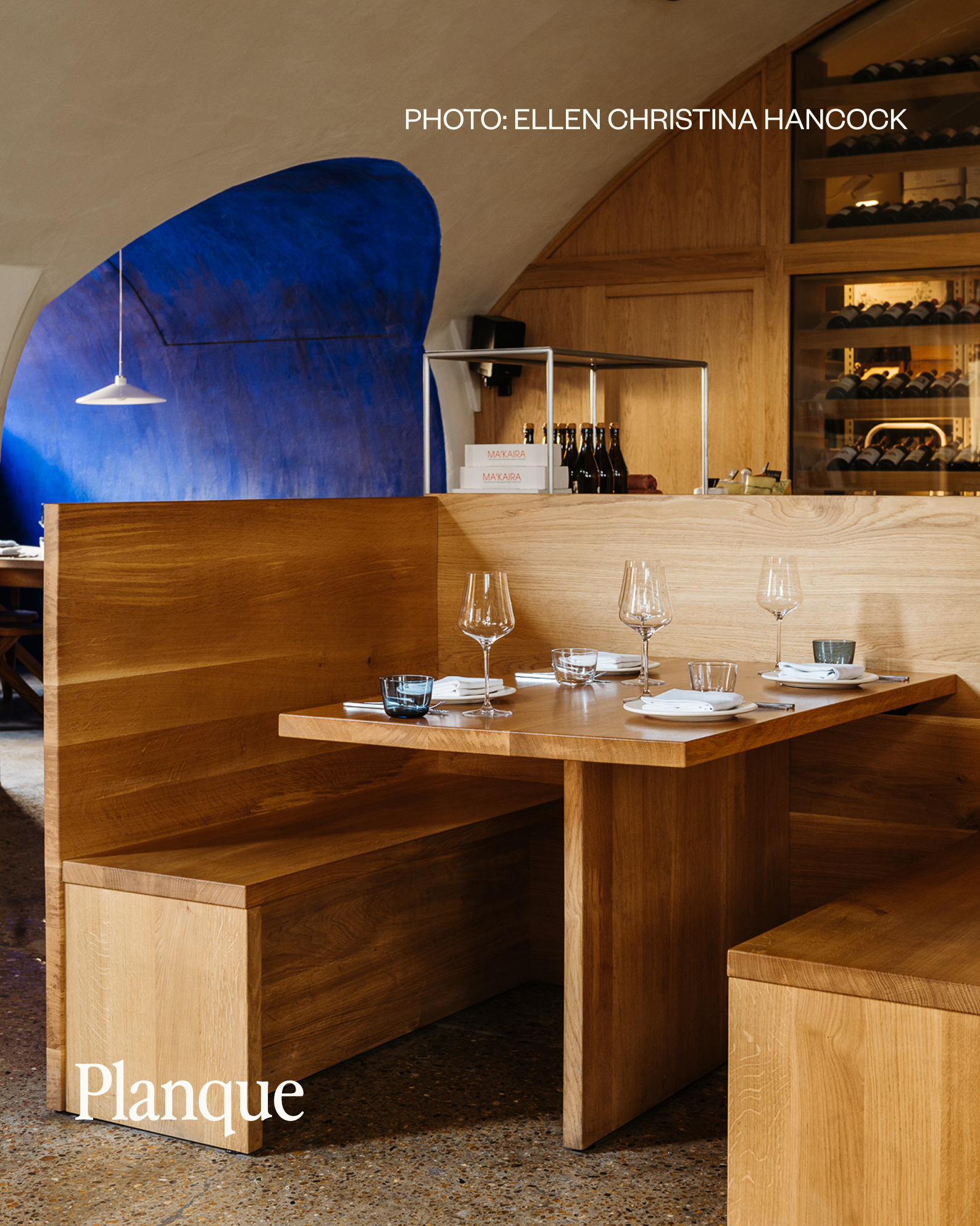
Set beneath railway arches in East London, Planque balances architectural scale with a sense of stillness. Pale oak, natural textures and soft light bring a calm, almost residential quality to the space, feeling closer to a considered Scandi interior than a traditional restaurant.Rather than filling the room, the design relies on openness and restraint. The result is spacious without feeling cold — a rare balance in hospitality interiors.
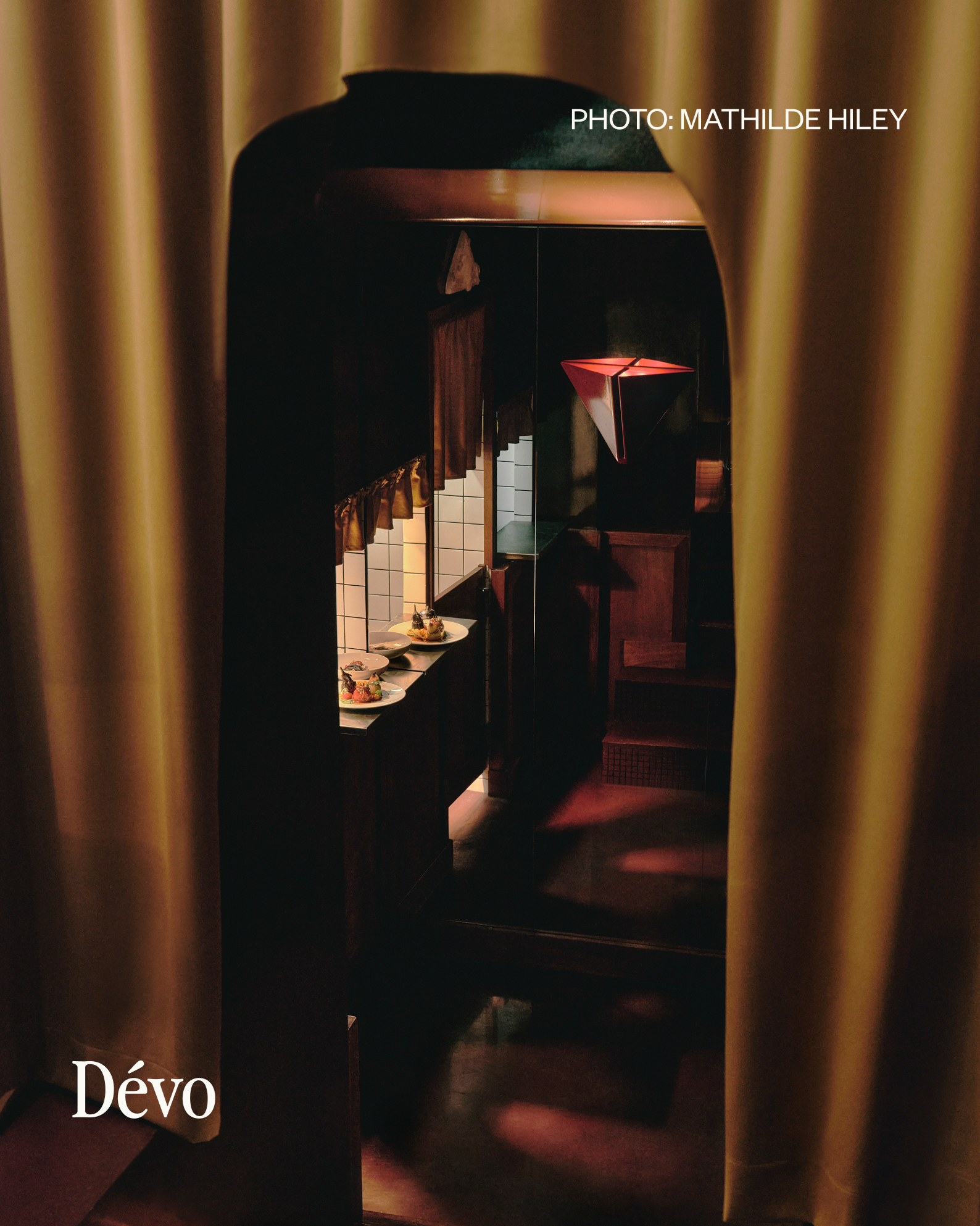
In Marseille’s sixth arrondissement, Dévo draws from the mood of 1970s European bars and listening spaces. Chrome accents, smoked lighting and deep timber tones create interiors that feel cinematic without becoming theatrical.There’s an ease to the space that makes it feel collected over time rather than overly designed. It’s intimate, dimly lit and quietly nostalgic.
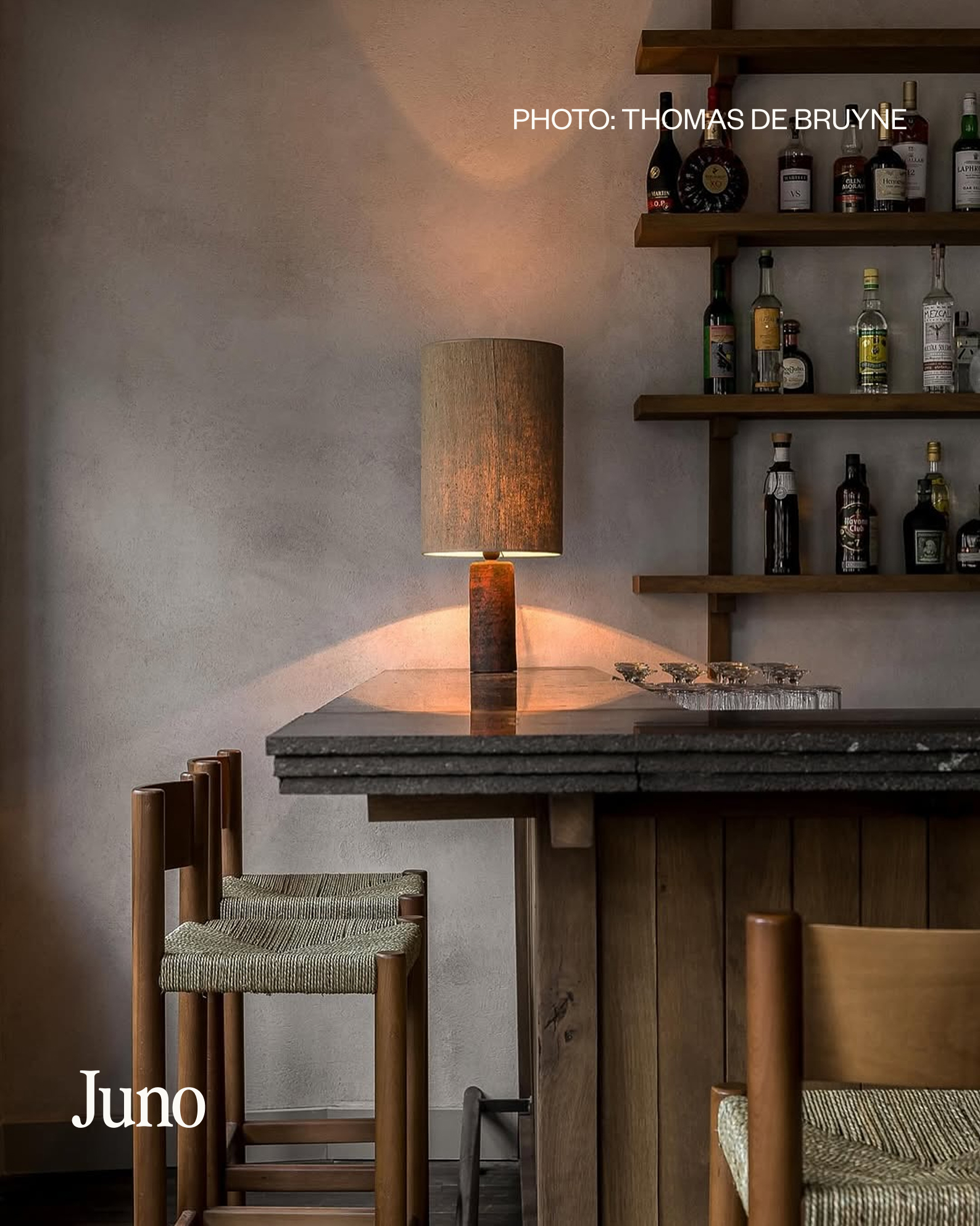
Set within Amsterdam’s De Pijp neighbourhood, Juno takes cues from old European cafés and understated mid-century interiors. Woven seating, dark timber and softly textured walls give the space a familiarity that feels immediate rather than styled.Nothing competes for attention. The design is quiet, balanced and deeply functional, creating the kind of place people naturally settle into for the evening.
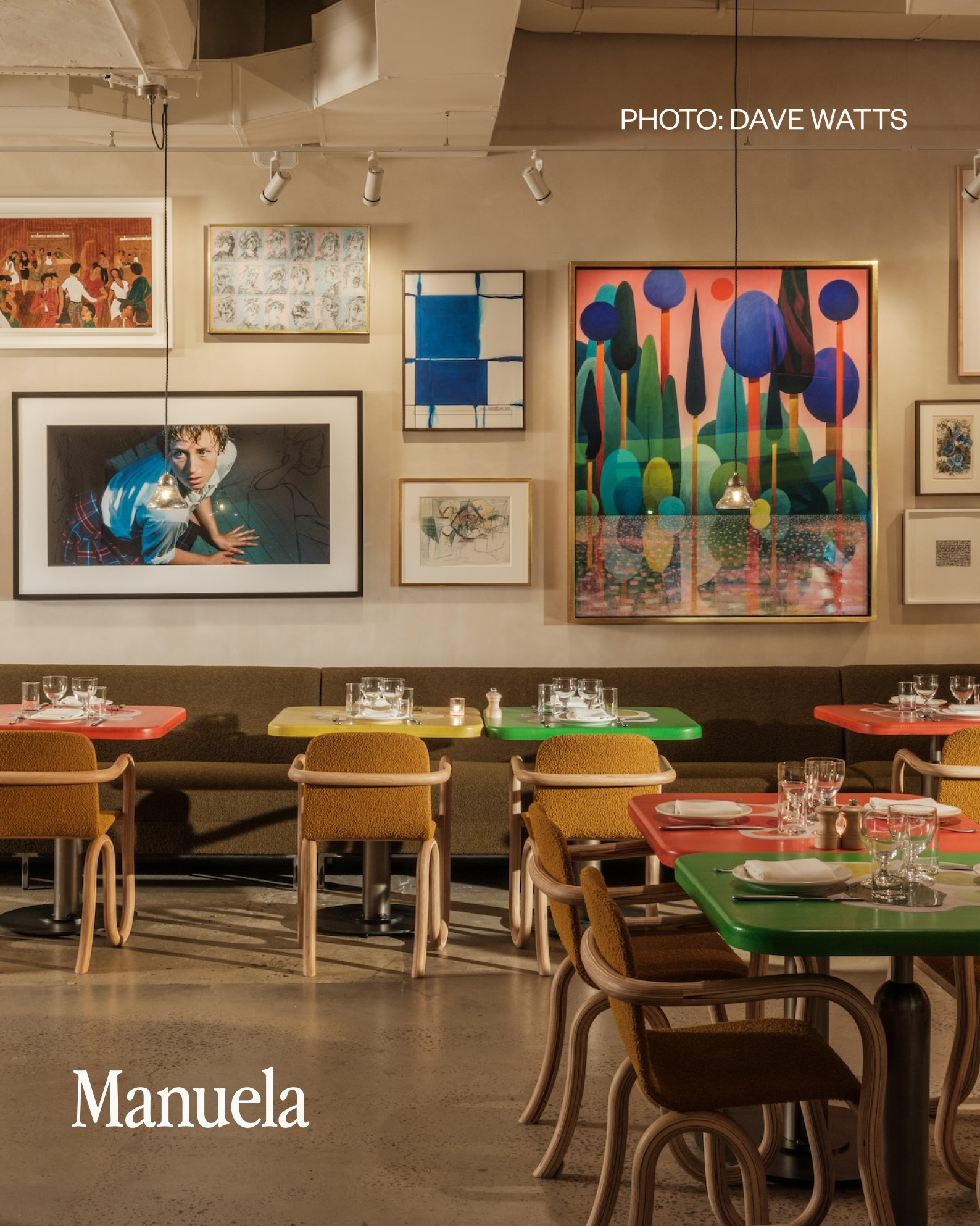
Inside New York’s Soho House, Manuela feels less like a singular restaurant concept and more like moving through a collector’s home. Artwork, furniture and objects sit together with an intentional looseness, giving each room its own distinct character.The interiors blur hospitality and gallery space, layering colour, texture and residential details in a way that feels expressive, personal and deeply lived in.

With the opening of its Soho site, Ria’s has evolved the visual language of the original Notting Hill space into something slightly bolder and more expressive.Striped linens, marble finishes and warm timber details give the interiors a playful domesticity, creating pockets that feel more like someone’s dining room than a restaurant moments from Oxford Street. The space feels personal, layered and intentionally unpolished.
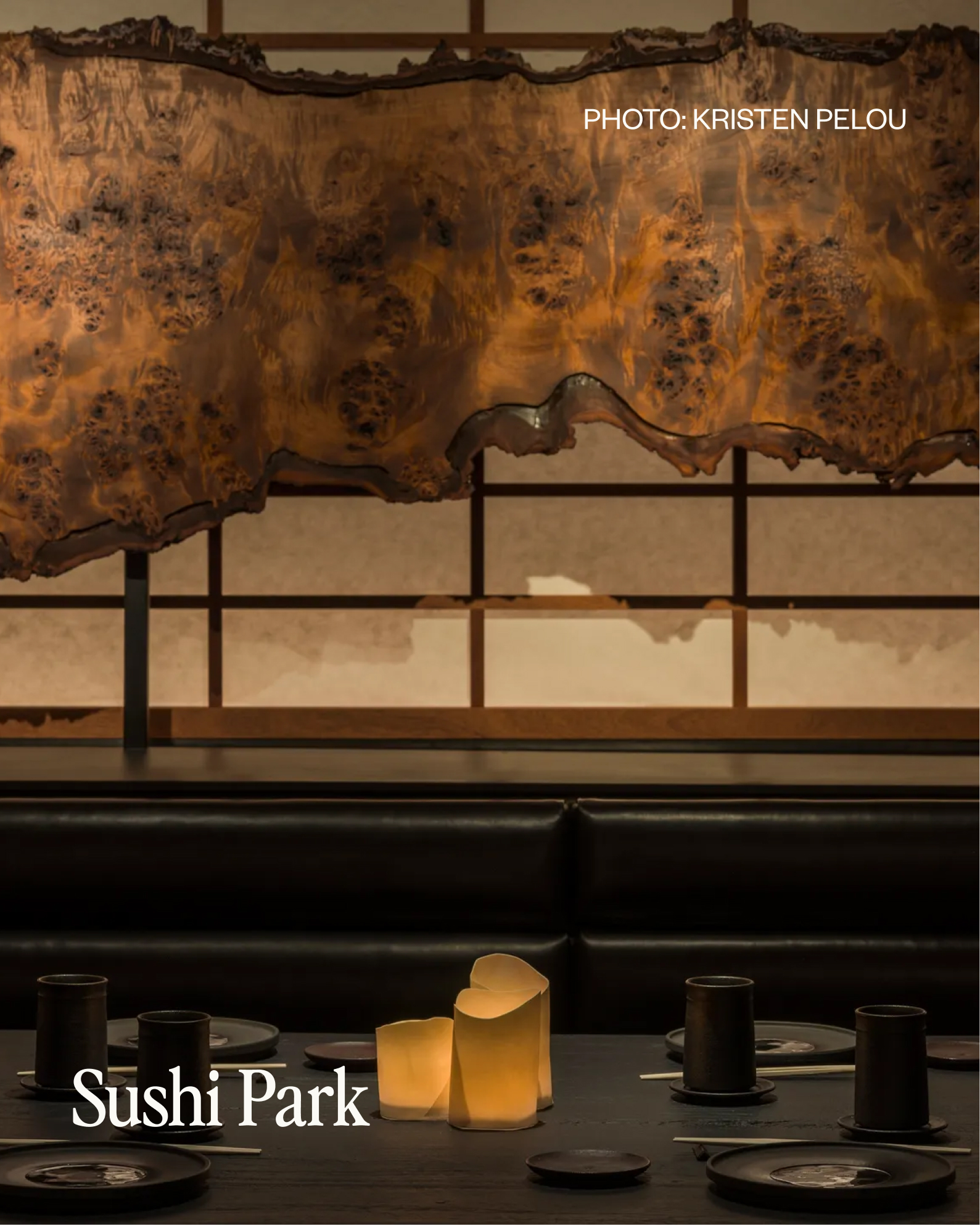
Hidden beneath Saint Laurent Rive Droite in Paris, Sushi Park is built around quietness and control. Dark timber, low lighting and minimal detailing create a space that feels enclosed, private and almost meditative.Rather than relying on visual impact, the interiors focus on proportion, shadow and proximity, evoking the atmosphere of a late-night apartment or secluded listening room removed from the pace of the city above.


