
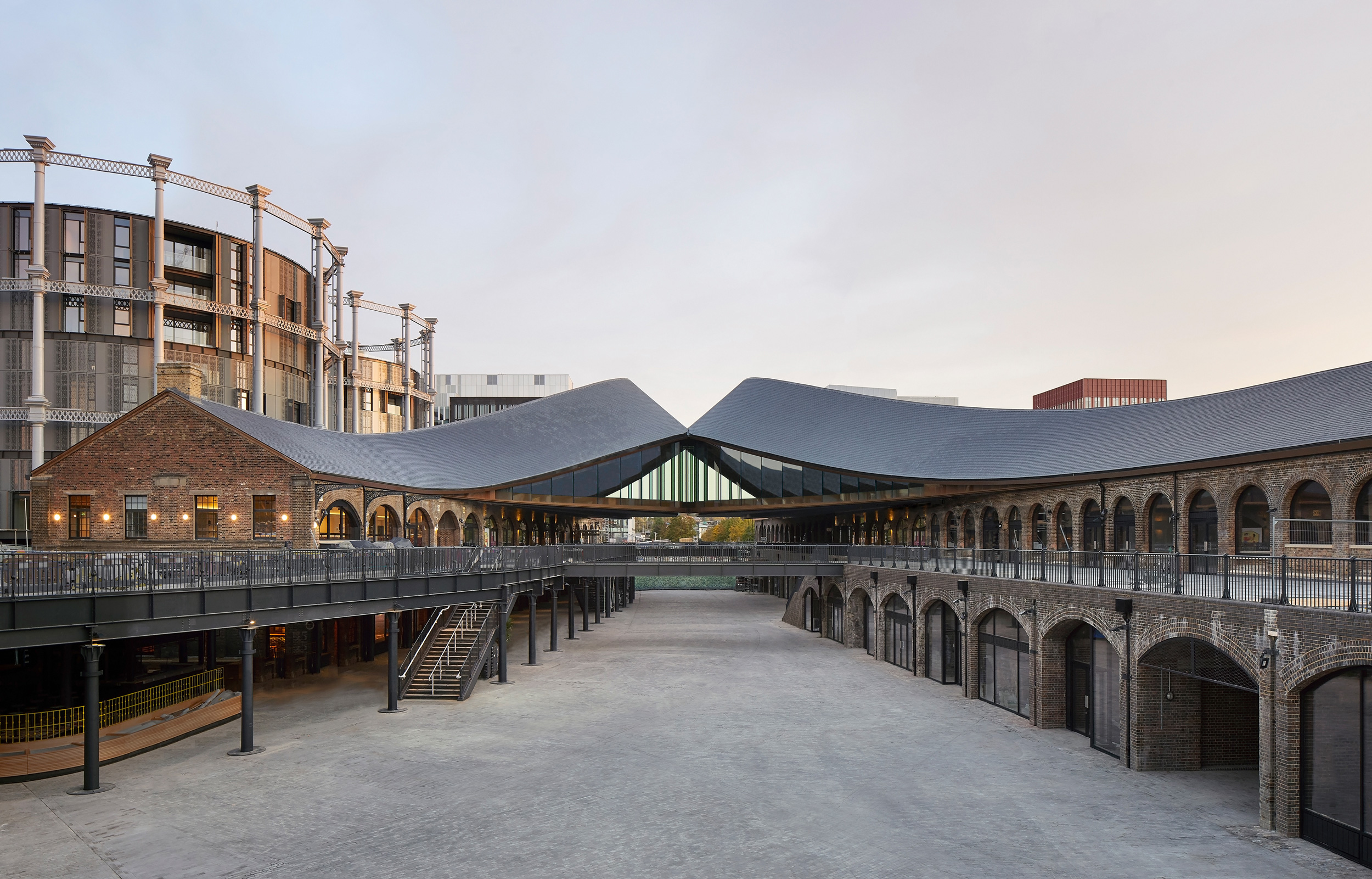
Some of London's most ambitious architectural projects aren't being built from the ground up. They're being uncovered, restored and reimagined from what already exists. For decades, architectural ambition was often measured by the scale of what could be built. New towers, new districts and new landmarks became symbols of progress.
Yet some of London's most compelling projects now seem to be asking a different question: What if the most interesting building is the one that already exists?
Across the capital, historic markets, theatres, government buildings and industrial structures are finding new lives through adaptation rather than replacement. While sustainability is often cited as a key driver, the shift feels cultural as much as environmental.
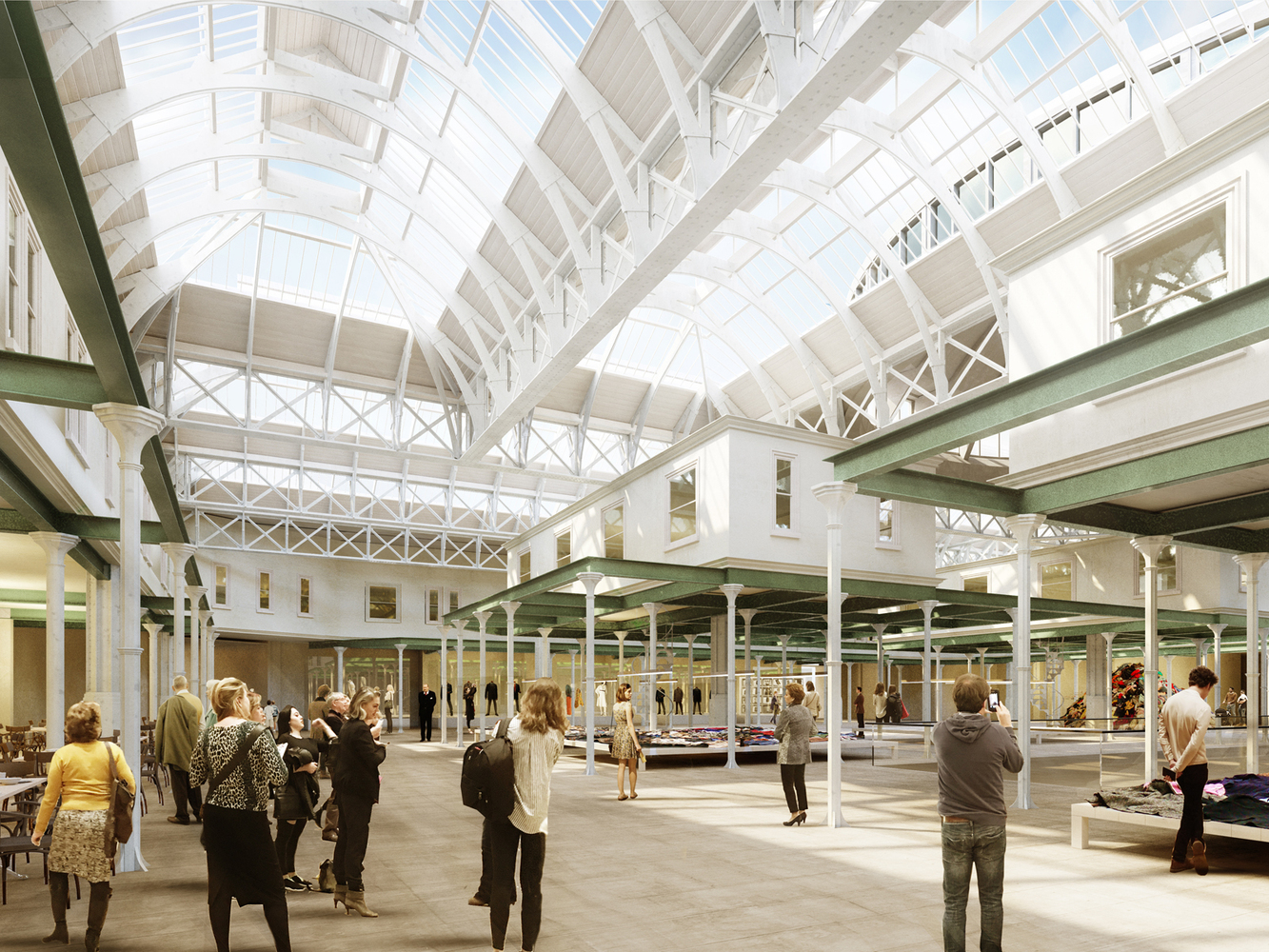
At Smithfield Market, the future London Museum is transforming one of the city's most significant historic trading sites into a new cultural institution. Rather than erasing the building's past, the project builds upon it, preserving the character and scale that made the market an important part of London's history.
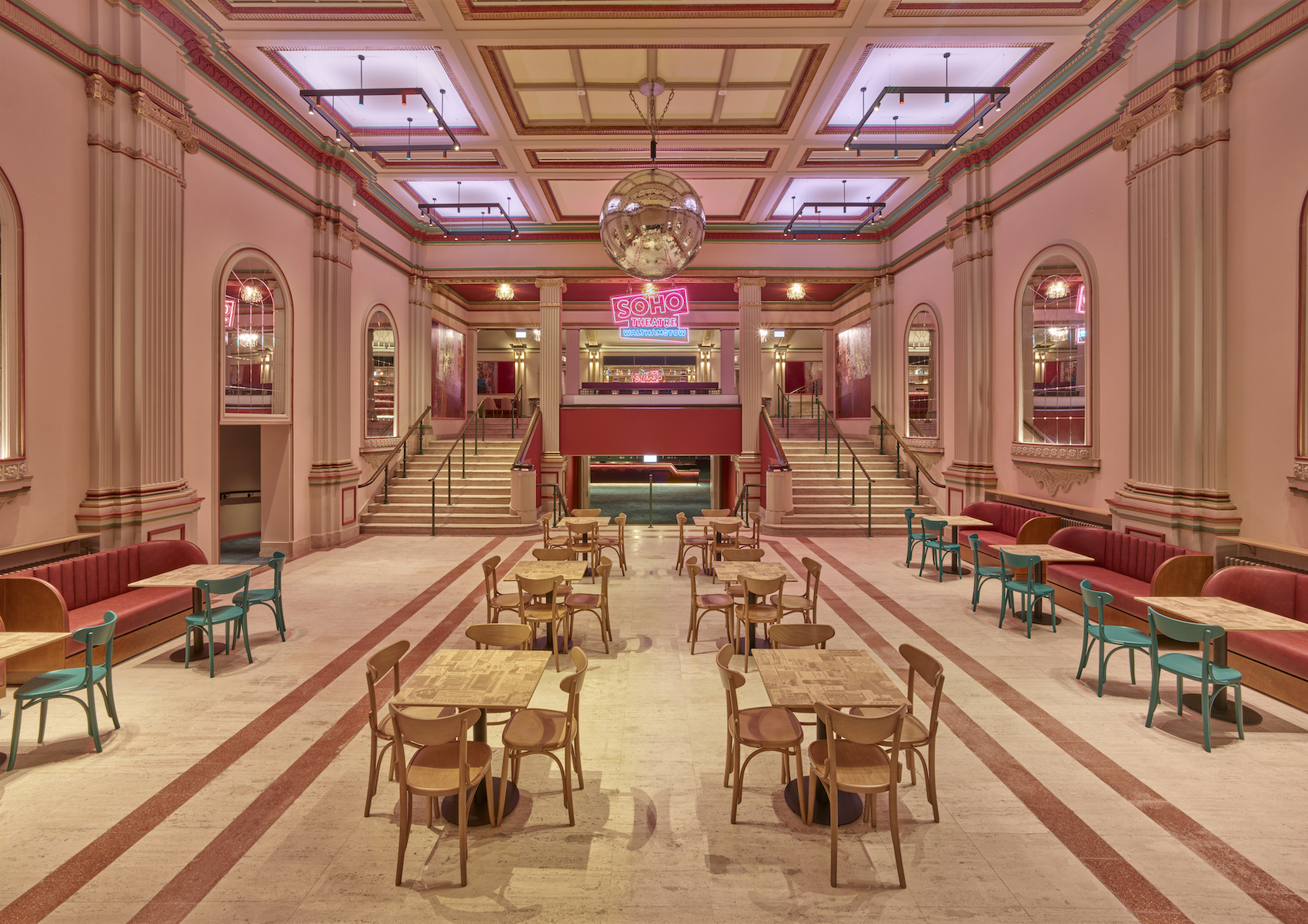
In Walthamstow, the former Granada cinema has reopened as Soho Theatre Walthamstow. The restoration has returned a landmark building to public life while creating a new home for performance, comedy and community events in East London.
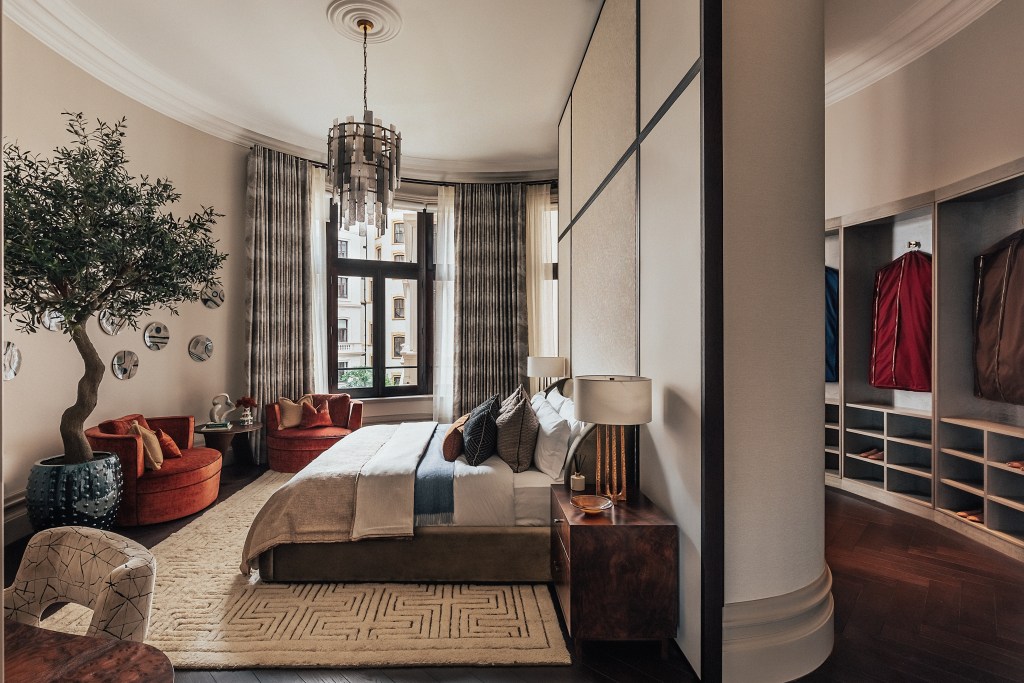
Elsewhere, London's Old War Office has undergone one of the city's most ambitious heritage-led transformations. Once the centre of Britain's military administration, it has been reimagined as a mixed-use destination containing residences, hospitality and public spaces, while retaining many of the architectural features that define its identity.
These projects differ in programme, scale and audience, but they share a common approach. Rather than viewing existing buildings as constraints, they treat them as blueprints. Their walls contain traces of previous lives, previous uses and previous generations. They arrive with stories already embedded within them.
In a city often associated with constant reinvention, adaptation is becoming an increasingly important architectural skill. Not because it rejects change, but because it demonstrates that progress doesn't always require starting from scratch. Sometimes the most interesting buildings are the ones that are already there.


